

In Kyrgyzstan, the steppe is more than a landscape. For generations, it has shaped a way of life built around livestock, seasonal migration, and a deep connection to nature. Here, wealth is not measured by what people own, but by the animals they raise, the land they share, and the traditions they carry forward.
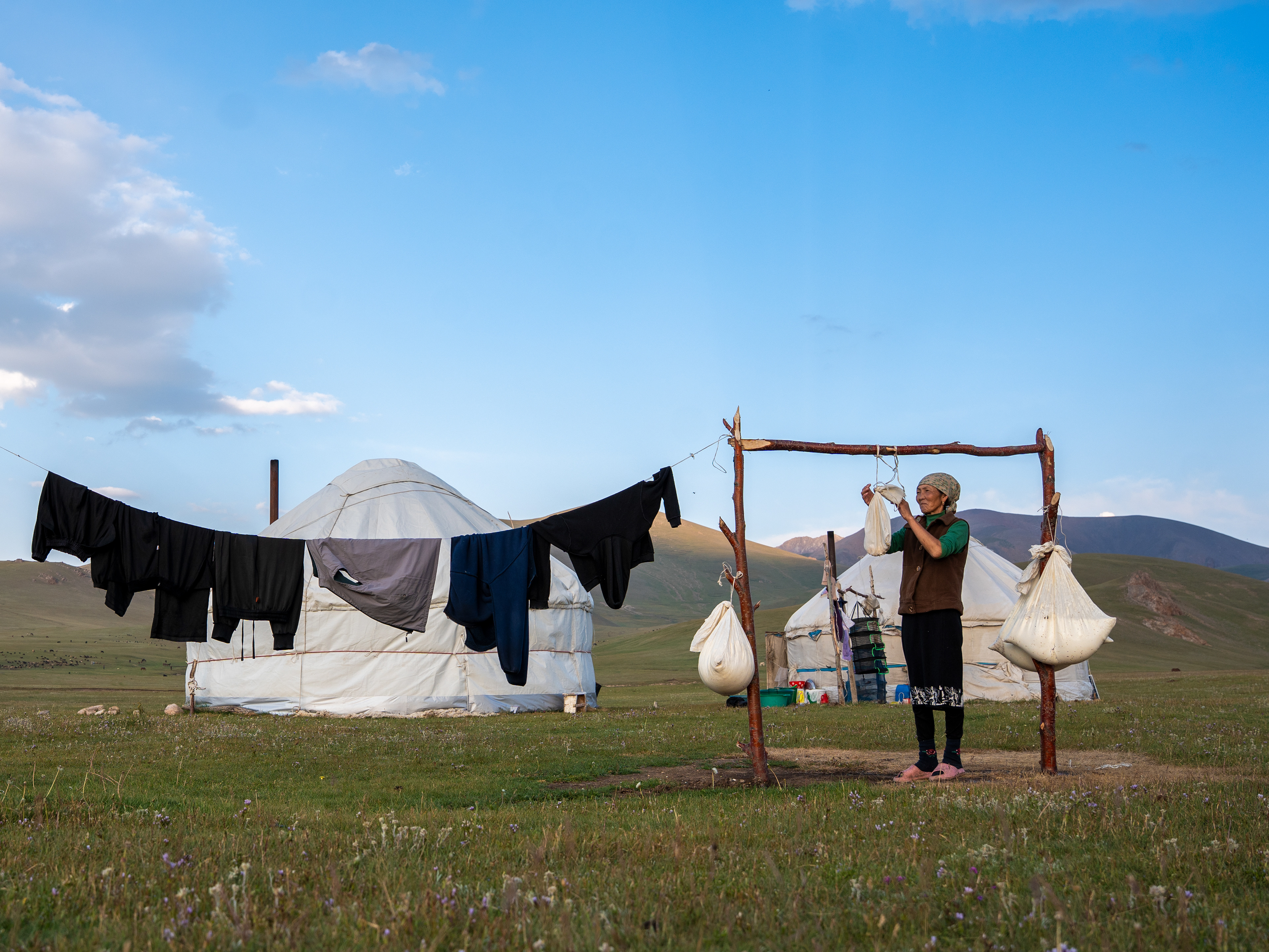
For Kyrgyz nomadic families, home is not defined by walls or a permanent address. Each summer, families move to the high mountain pastures, known as jailoo, where they spend months living close to their animals and the land. Life here follows the rhythm of the seasons, and traditions passed down through generations remain part of everyday existence.
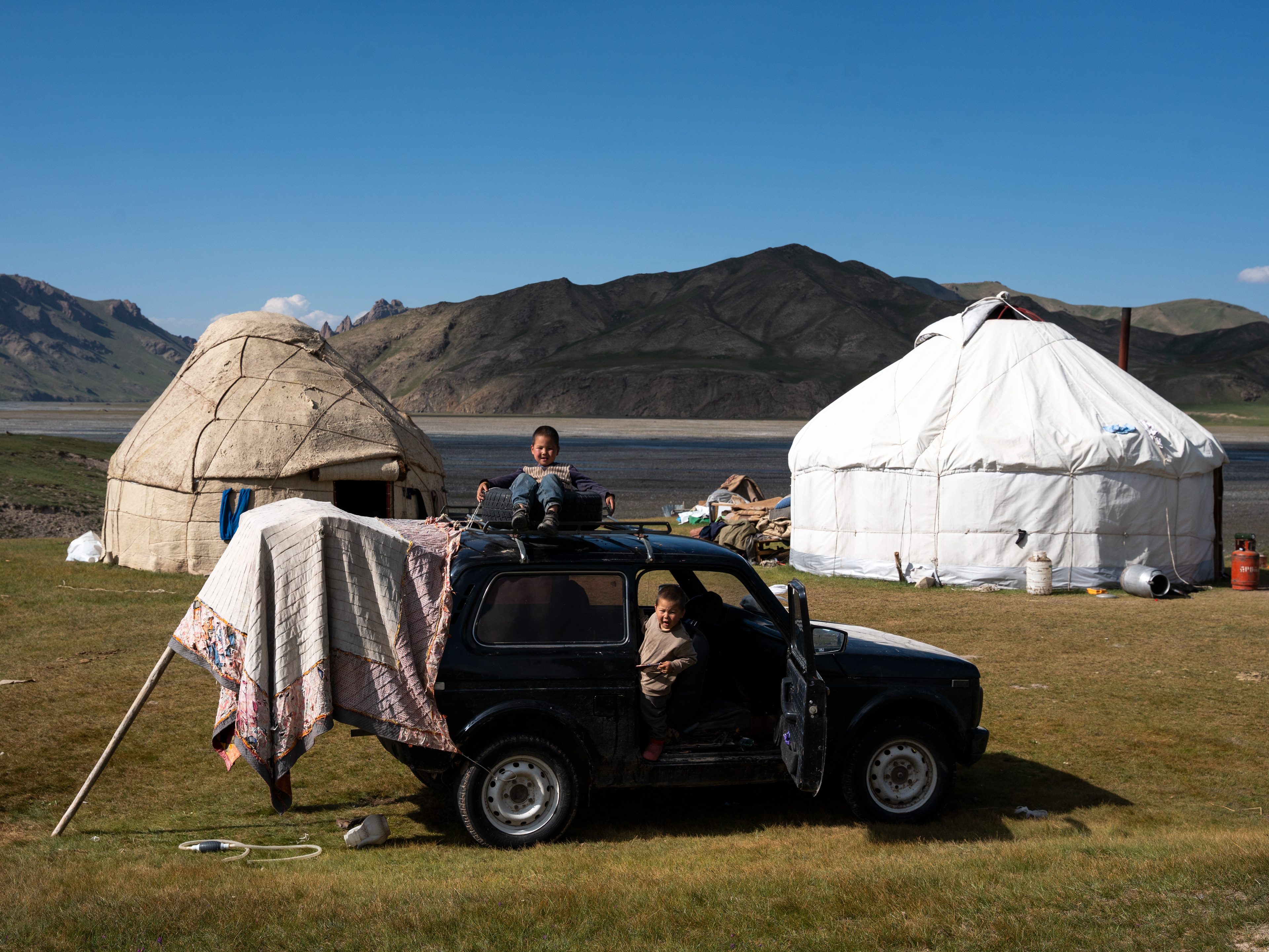
On the vast grasslands of Kyrgyzstan, centuries-old nomadic traditions coexist with modern life. Children grow up between yurts and vehicles, inheriting a way of life that continues to evolve without losing its roots. For them, the mountains are not a distant wilderness, but the familiar landscape of childhood.

For the Kyrgyz people, horses have always been more than a means of transportation. They are symbols of freedom, independence, and a nomadic heritage that stretches back centuries. Across these vast mountain pastures, horses remain an essential part of daily life, connecting generations to the traditions of their ancestors.

Behind the enduring traditions of Kyrgyz nomadic life are women whose daily efforts sustain their families and communities. From caring for livestock to producing dairy products, their work is essential to life in the high mountain pastures. In these remote landscapes, strength is often found in the simplest routines, carried out with resilience, dignity, and a smile.

Across the vast highlands of Kyrgyzstan, life moves at the pace of the herds. Shepherds travel across open pastures, following routes shaped by generations of experience. In this landscape, time is measured less by clocks than by the changing seasons, the movement of animals, and the quiet rhythm of nature.
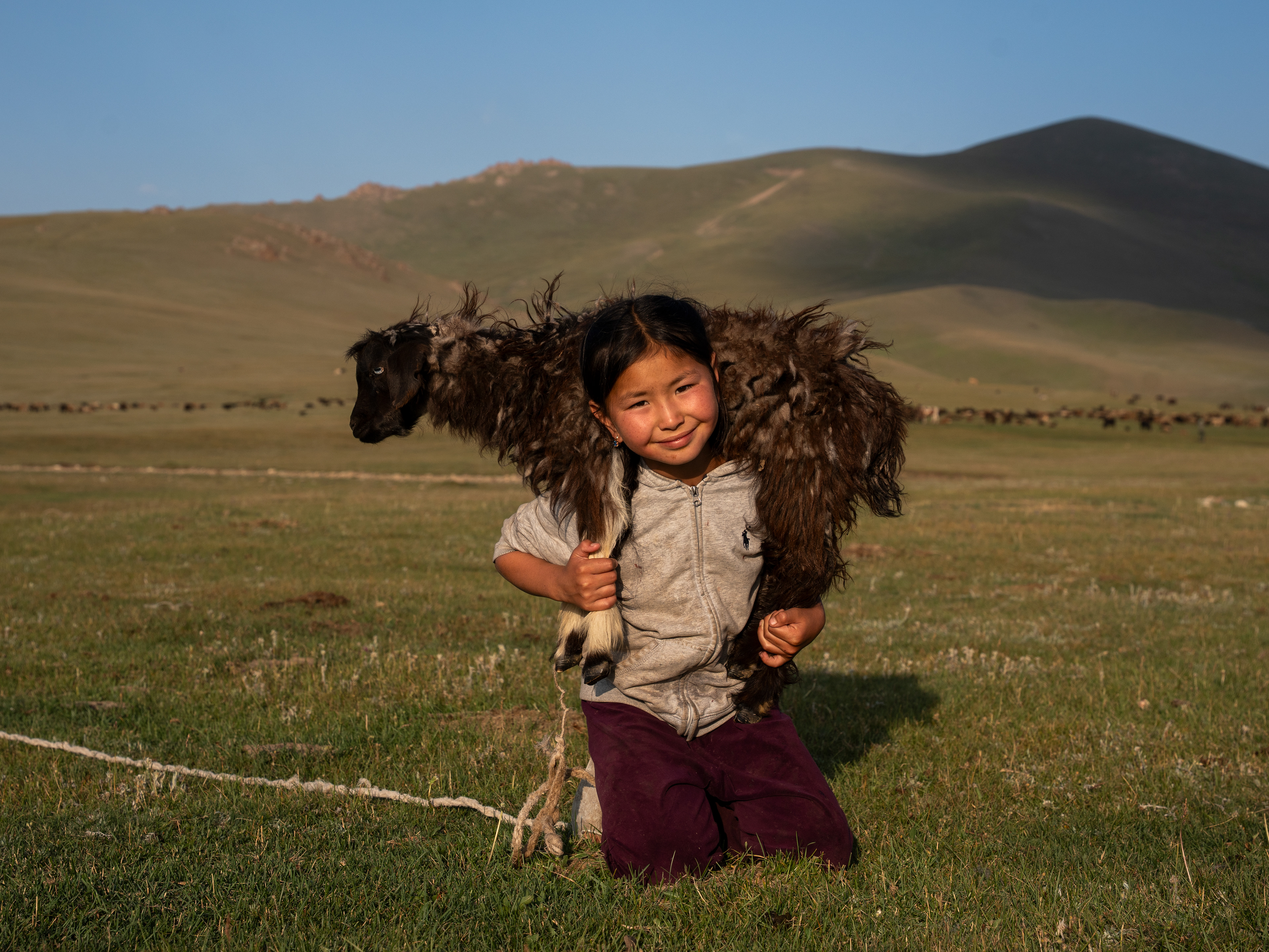
In the highlands of Kyrgyzstan, childhood comes with responsibilities from an early age. Helping with livestock is not simply a daily chore, but a way of learning the skills and traditions passed down through generations. Here, children grow up with a close understanding of animals, the land, and the delicate balance between them. What may seem like hard work to an outsider is often a natural part of growing up on the steppe.
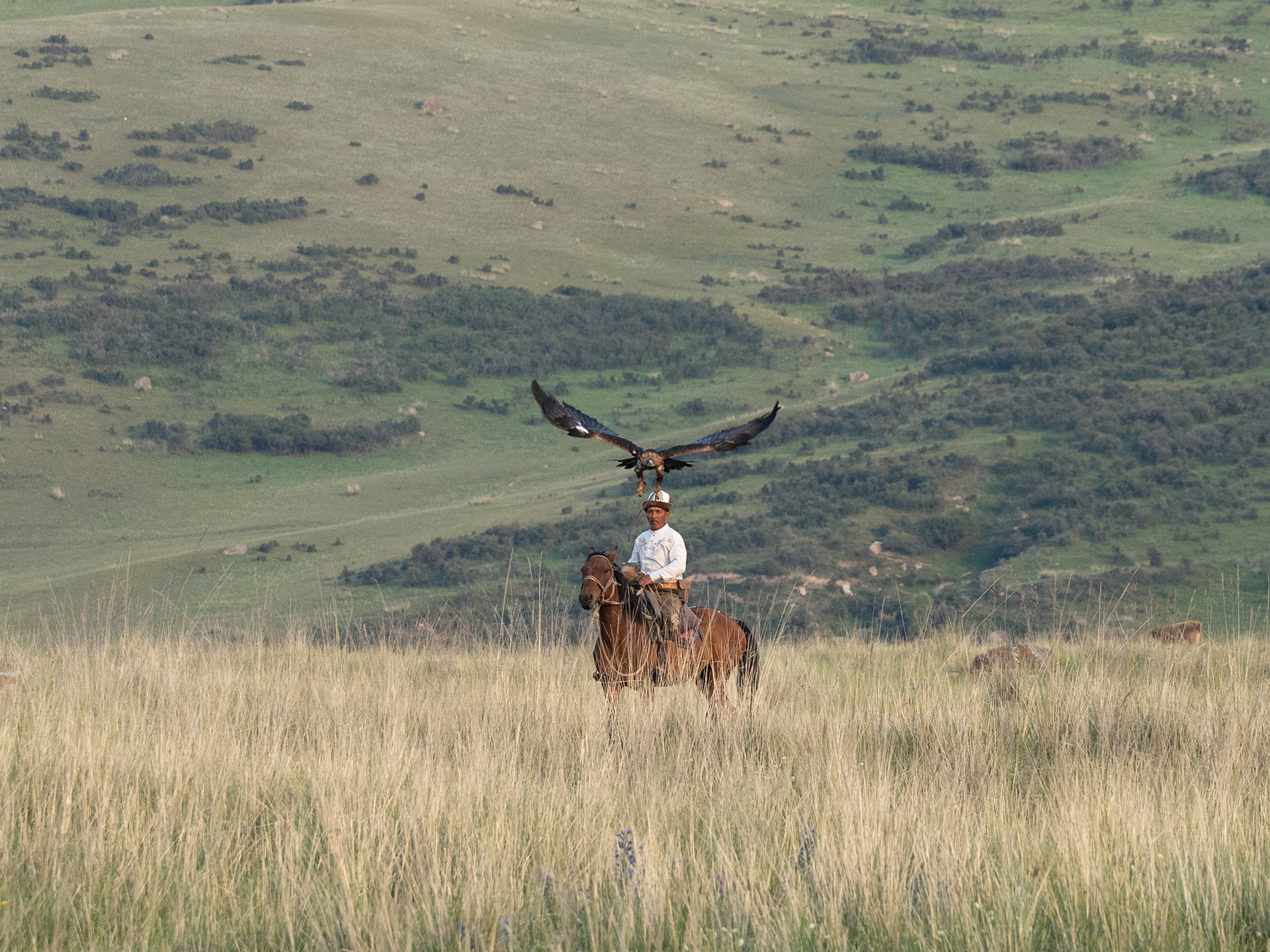
In the mountains of Kyrgyzstan, the ancient tradition of eagle hunting remains a powerful symbol of nomadic heritage. Known as berkutchi, eagle hunters develop a remarkable bond with their birds through years of patience and training. Passed down through generations, this practice represents more than hunting. It reflects a deep understanding of nature, mutual trust, and the enduring relationship between humans and the wild.

As the sun sets over the Kyrgyz highlands, another day on the steppe comes to an end. For generations, horses have been companions in a life shaped by freedom, movement, and the changing seasons. Here, childhood unfolds beneath an endless sky, where traditions are not simply remembered but lived. Perhaps the greatest beauty of this life lies in its simplicity.

As darkness falls over the Kyrgyz highlands, the vast steppe grows silent beneath a sky filled with countless stars.
Far from the noise of modern cities, life continues in a rhythm shaped by nature, seasons, and traditions passed down through generations.
Throughout this journey, I discovered that the beauty of Kyrgyzstan lies not only in its extraordinary landscapes, but in the people who call them home. In the children growing up alongside their animals, in the strength of women, and in the traditions that continue to connect the past with the present.
Perhaps the greatest lesson of the steppe is that a meaningful life does not always require more. Sometimes, its deepest beauty is found in simplicity.


