

High in the Karçal Mountains, life follows a rhythm shaped by nature rather than modern conveniences. Without electricity, these remote highland settlements preserve a way of life that has endured for generations. Here, the changing seasons determine when people arrive, how long they stay, and when they must return to the valleys. Yet as the modern world reaches further into the mountains, the future of this centuries-old highland culture becomes increasingly uncertain.
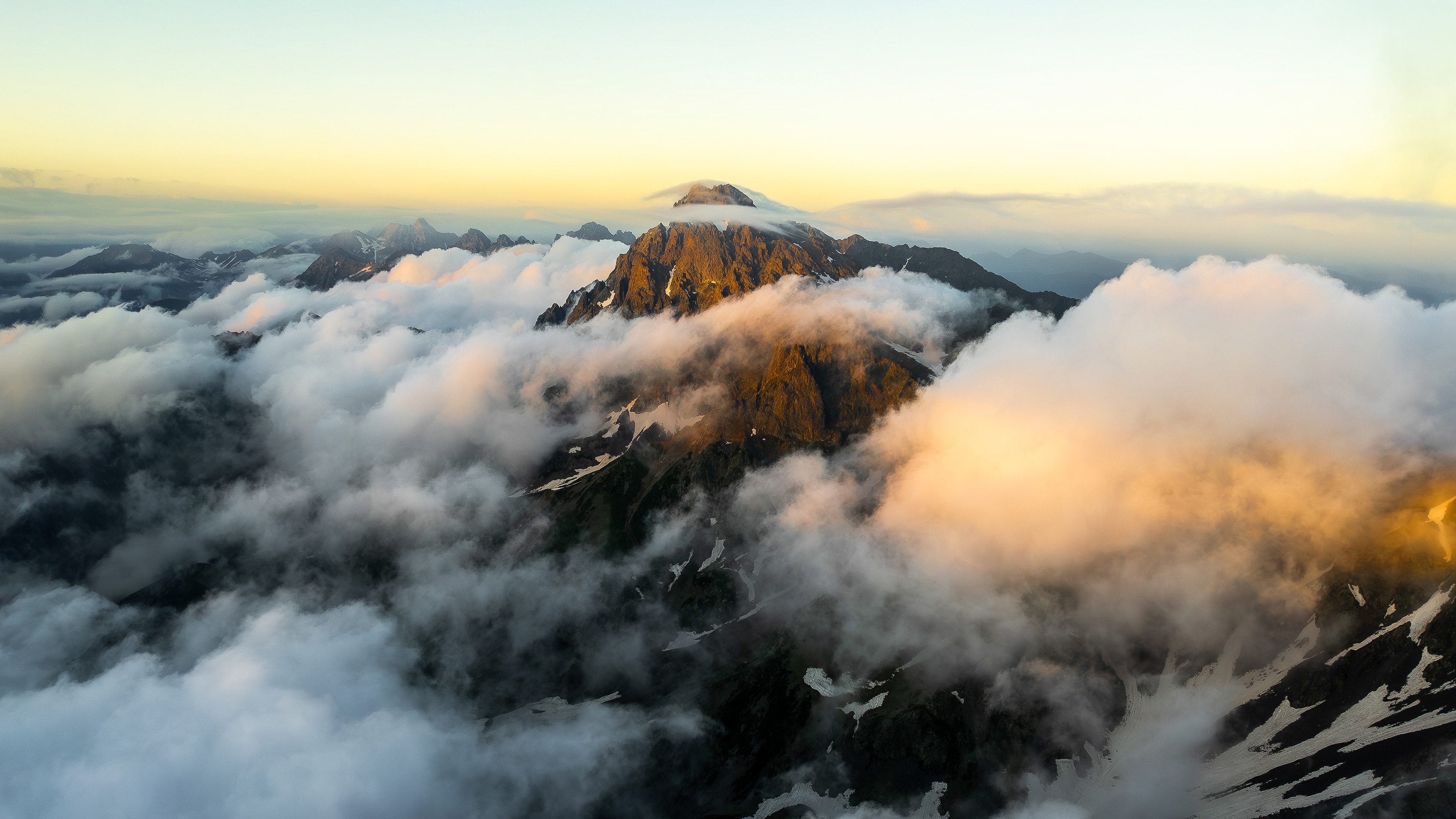
As the sun sets over the Kaçkar Mountains, one of Türkiye’s most dramatic mountain landscapes reveals its wild beauty. Rising nearly 4,000 meters above sea level, these mountains are more than a natural wonder. For centuries, they have shaped the lives, traditions, and identities of the communities living in their valleys and highlands. Here, nature is not simply a backdrop to human life; it is the force that defines it.

In the highlands of the Eastern Black Sea region, life is closely tied to livestock farming and the changing seasons. For generations, families have spent their summers in these mountain settlements, producing dairy products and caring for their animals. Heavy rains, dense fog, and unpredictable weather are part of everyday life. Despite the hardships, these highlands remain home to a pastoral tradition passed down through generations.

For children growing up in the highlands, nature is their first classroom. Far from the routines of city life, they learn responsibility at an early age and become part of a world shaped by animals, mountains, and changing seasons. Yet as younger generations increasingly leave these remote communities, the question remains: who will carry this way of life into the future?

In the remote highlands of the Eastern Black Sea region, elderly women are among the last guardians of a disappearing way of life. Their hands carry the skills of generations, while their memories preserve stories that may never be written down. Spinning wool is more than a daily task; it is a connection to the past. Behind every wrinkle lies a lifetime shaped by these mountains, and behind every smile, a story worth remembering.

When winter arrives, the mountains become a different world. Deep snow isolates remote settlements, and caring for livestock becomes a daily struggle. For those who remain, survival depends on months of preparation, hard work, and a deep understanding of nature. Yet even in the harshest conditions, the bond between people and animals brings moments of warmth and companionship.

Berobana is an age-old folk tradition that continues to survive in the mountain villages of Türkiye’s Eastern Black Sea region. Participants disguise themselves with animal skins, masks, and unusual costumes, visiting homes and bringing laughter to their communities. Beyond its playful appearance, Berobana reflects a deep connection to the region’s cultural memory. Passed down through generations, this tradition keeps alive a shared heritage in a world where many rural customs are gradually disappearing.

In the Kaçkar Mountains, the boundary between earth and sky seems to disappear. These rugged peaks attract those seeking adventure, solitude, and a deeper connection with nature. Yet their beauty comes with challenges. Every journey through these mountains demands respect for the unpredictable forces of nature. Standing above the clouds, one realizes how small we are in a landscape that has existed for millions of years.
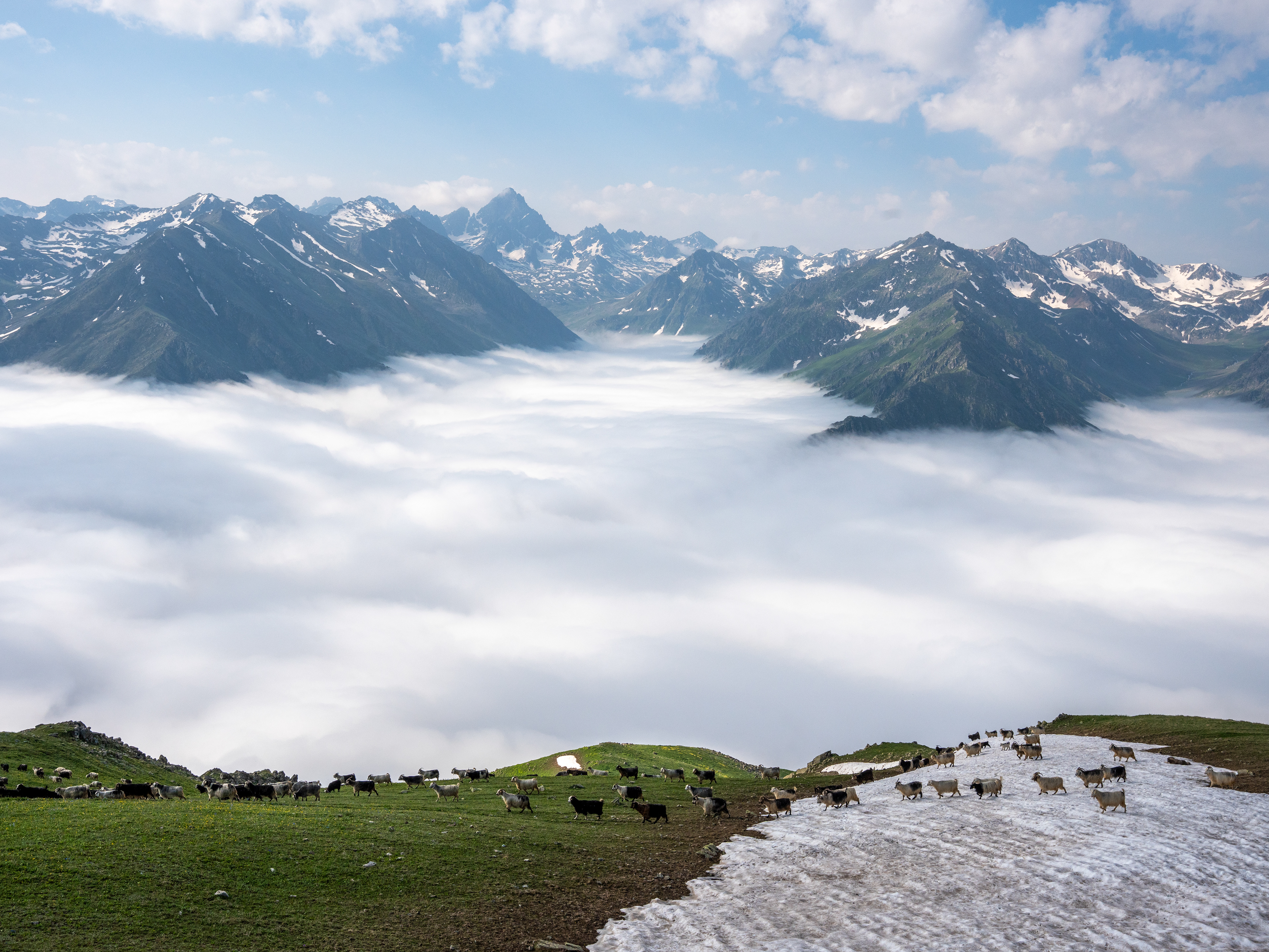
For centuries, livestock farming has been at the heart of life in the Kaçkar Mountains. Every summer, herds are taken to high-altitude pastures, following a seasonal tradition that connects people, animals, and the land. These mountain grasslands are not merely places of grazing; they represent a way of life built on generations of knowledge and experience. As traditional pastoralism gradually declines, the future of this unique relationship between humans and nature remains uncertain.
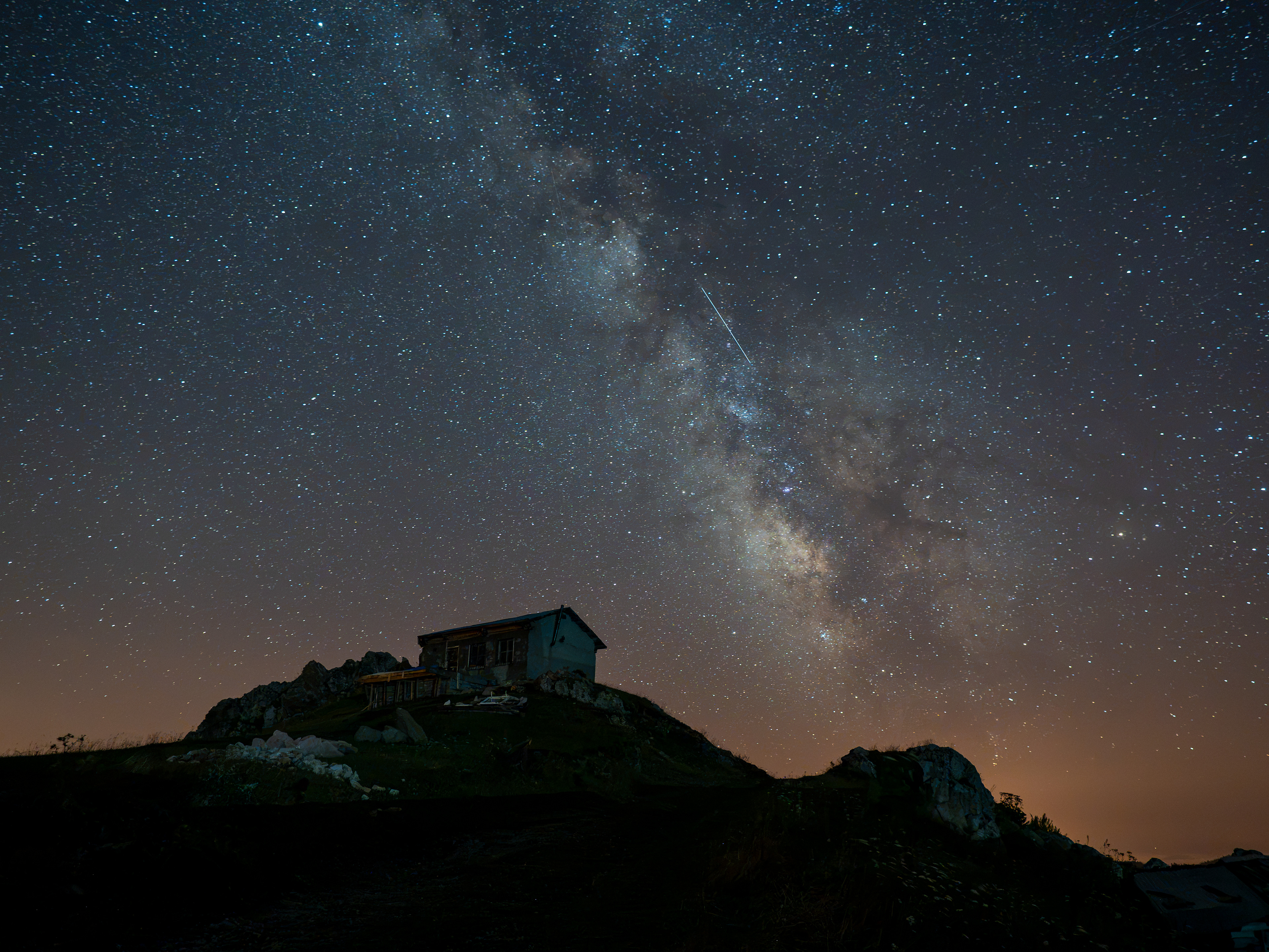
For eight years, I have traveled through these mountains, documenting landscapes, traditions, and the lives of people who call them home. Along the way, I have witnessed both the resilience of a centuries-old culture and the changes threatening its future. From remote highland villages to the highest peaks, every journey has revealed another story worth preserving. My journey through these mountains is far from over. As long as these stories continue to exist, there will always be a reason to return.


